


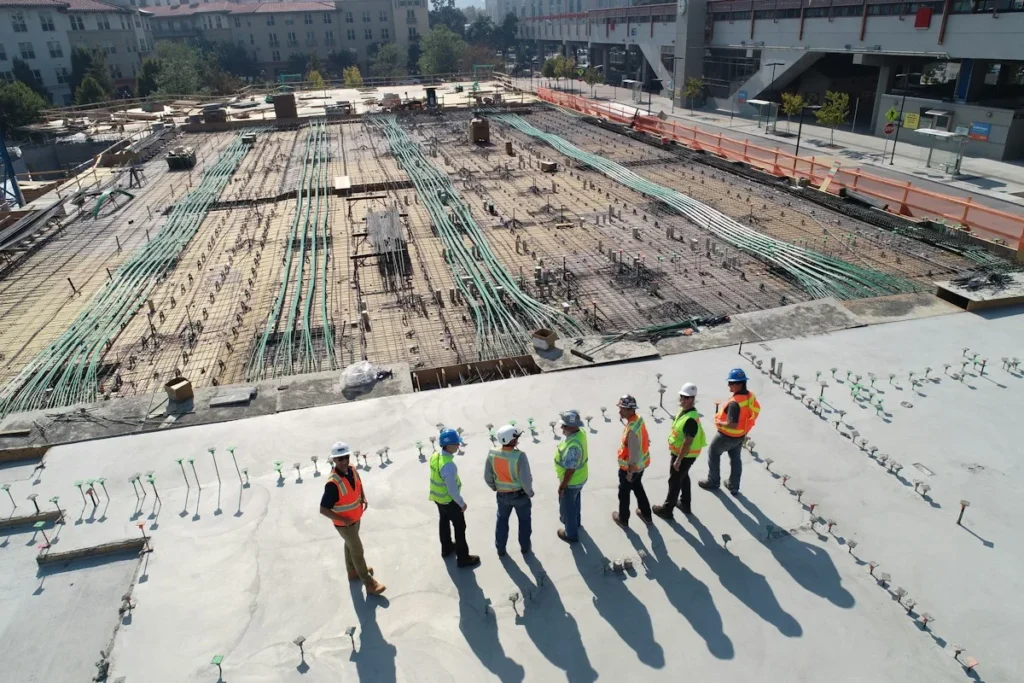
In a combination deal (kombinatzia), a landowner sells part of the land rights to a developer and in return receives apartments in the project the developer builds, instead of cash. It is a common way to realize private land, an inherited plot or an old property that can be replaced by more construction.
How is the split set?
There is no fixed market percentage. The split depends on the land value, building rights, expected construction costs and project risk. Before agreeing on percentages, get an independent appraisal.
Risks for the landowner
- The project takes years and depends on permits and the developer’s finances.
- The developer has more information on costs and the market.
- A vague specification of the apartments the landowner will receive.
Security for the landowner
The landowner transfers rights before receiving anything, so he needs protection, such as caution notes, performance guarantees, bank financing of the project and an exit mechanism if the project stalls. For the landowner’s apartments, it is worth demanding security similar to that of buyers.
What should the agreement include?
- Precise identification of the landowner’s apartments: floor, orientation, area and attachments.
- A full specification, no worse than buyers receive.
- Milestones and timelines, and what happens if they are missed.
- Late delivery compensation and a delivery date.
- Allocation of taxes and expenses.
Tax
A combination deal is a taxable event: capital gains tax on the rights sold, VAT on construction services and the betterment levy should be examined. The deal’s structure strongly affects the tax, so planning must happen before signing, together with a tax advisor.
Where do you go from here?
A developer’s contract is written by the developer’s lawyers, so it protects the developer first. At Paz Israel & Co. Law Office we represent buyers of new apartments and landowners in combination deals: we check the developer, the security and the specification, negotiate the contract and accompany you through handover and registration at the Land Registry. For more information see our property purchase and sale representation page, or contact us to schedule a meeting in Tel Aviv, Jerusalem or Modi’in.
This article provides general information, is correct as of the time of writing, and does not constitute legal advice or a substitute for reviewing your specific circumstances.